
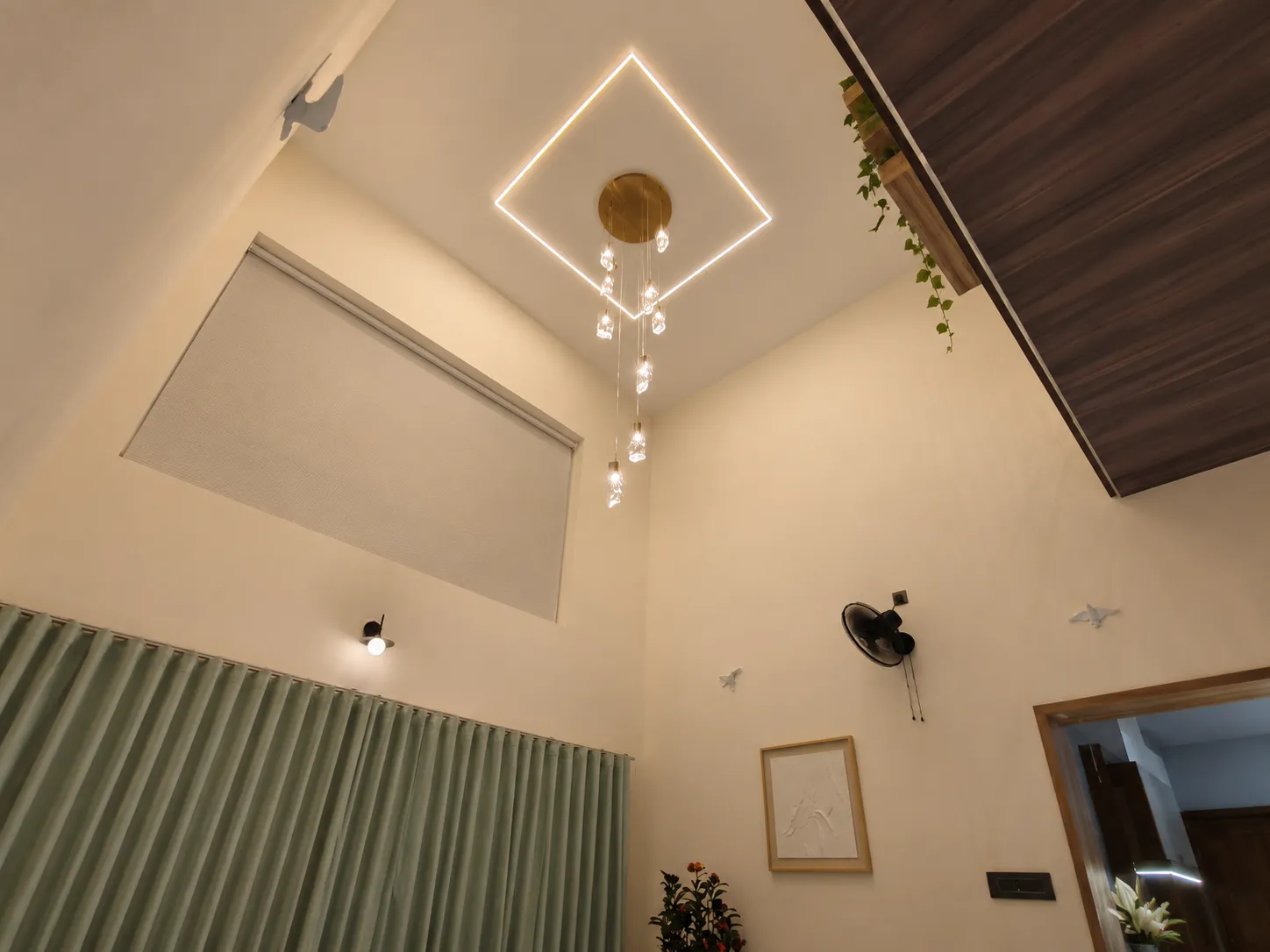
In every building, beauty and safety are always connected. Yet time and again we see architectural ambition and structural necessity pulling in opposite directions. Some clients push for maximum visual impact even where it means compromising stability, and those compromises tend to surface later, at the worst possible moment and at considerable cost.
From experience, the best design balances appearance and structural strength rather than sacrificing one for the other. A building should not merely look good on the day it opens. It should be safe, and it should still be standing well decades from now. With open conversation and genuine understanding between architects, engineers, and clients, a design everyone is satisfied with is almost always within reach.
A successful building is not simply about how it looks, nor only about how strong it is. It is about making design, engineering, and construction work together as one thing rather than three competing priorities.
Across many site visits, a familiar pattern emerges: architects and structural engineers disagree, sometimes sharply. One is focused on how the building will be seen and experienced, the other on whether it will stand. Both concerns are entirely valid. The work is finding a practical solution that honours both, and that means neither side gets to simply overrule the other.
When Coordination Breaks Down
A recent site visit illustrated the point plainly. The structure itself was sound, with well-proportioned columns and beams throughout. But during construction, serious problems emerged because electrical conduits and other services had not been properly planned into the design. In several locations, conduits had been routed straight through reinforcement, cutting into the very steel the structure depends on. Nothing about the structural design was at fault. The failure was one of coordination.
Detailed planning prevents exactly this. Knowing where everything belongs before work begins, from structural members to service routes, is what allows architectural intent and structural integrity to coexist instead of colliding. These are the checks that make the difference.
- Early Coordination: Bring architects and structural engineers into the same conversation before drawings are finalised, not after.
- Services Integration: Map electrical, plumbing, and HVAC routes against structural elements so nothing is cut or compromised on site.
- Clear Reinforcement Detailing: Specify exactly where steel sits and where it must not be disturbed under any circumstance.
- Realistic Client Conversations: Explain openly where a visual ambition carries a structural cost, and what the alternatives are.
- Pre-Construction Review: Walk the full design before breaking ground, so conflicts are found on paper rather than in concrete.
Beauty and strength are not opposing forces to be traded against one another. Handled well, each makes the other possible. A structure that is properly planned looks better precisely because nothing in it is fighting anything else.