
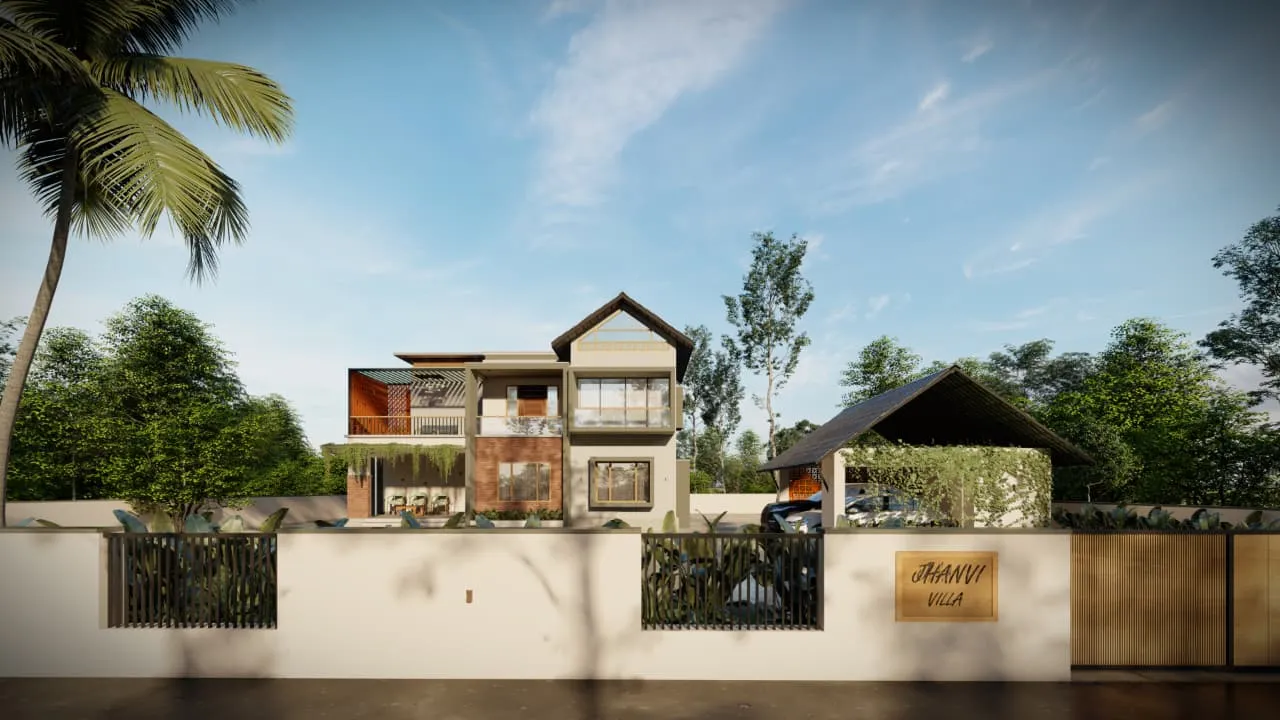
Good landscape design makes any construction project more beautiful, comfortable, and valuable. It all starts with understanding the land, what surrounds it, and what the client actually wants from the space. Too often landscaping is treated as an afterthought, something added once the building is finished. Treated that way, it rarely delivers what it could.
We design landscapes by studying the site's natural features and adding the right elements to create a space that fits its surroundings. Good planning determines the right plants, materials, and layouts for a balanced and attractive outdoor area. Soil conditions, drainage patterns, sun exposure, and prevailing winds all shape what will thrive on a given site and what will struggle.
A landscape is not decoration applied to a building. It is the ground the building stands on, the first thing a visitor walks through, and the view from every window. Plan it early, plan it with the site rather than against it, and the whole project becomes something better.
For several years now, we have been designing landscape plans for a range of projects across the GCC, working with a wide variety of site conditions and client requirements to create outdoor spaces that are both practical and good-looking. That experience has taught us how much the region's climate demands of a planting scheme, and how much careful material selection matters when surfaces face intense heat for months at a time.
What Goes Into a Landscape Plan
Every site is different, but the process of reading a site and responding to it follows a consistent shape. These are the elements we work through on each project before a single plant is specified.
- Site Analysis: Assess soil, drainage, slope, sun exposure, and existing vegetation before any design work begins.
- Climate-Appropriate Planting: Select species suited to local conditions so the landscape survives and thrives with reasonable maintenance.
- Material Selection: Choose paving, stone, and hardscape finishes that hold up to heat, foot traffic, and weather.
- Water Management: Plan irrigation and drainage together so water reaches what needs it and drains away from what does not.
- Circulation and Layout: Shape paths, seating, and gathering areas around how people will actually move through and use the space.
With thoughtful design and careful execution, even a plain strip of ground around a building can become a landscape that genuinely lifts the character of the whole property. The difference between an afterthought and a considered plan shows up every single day the space is used.